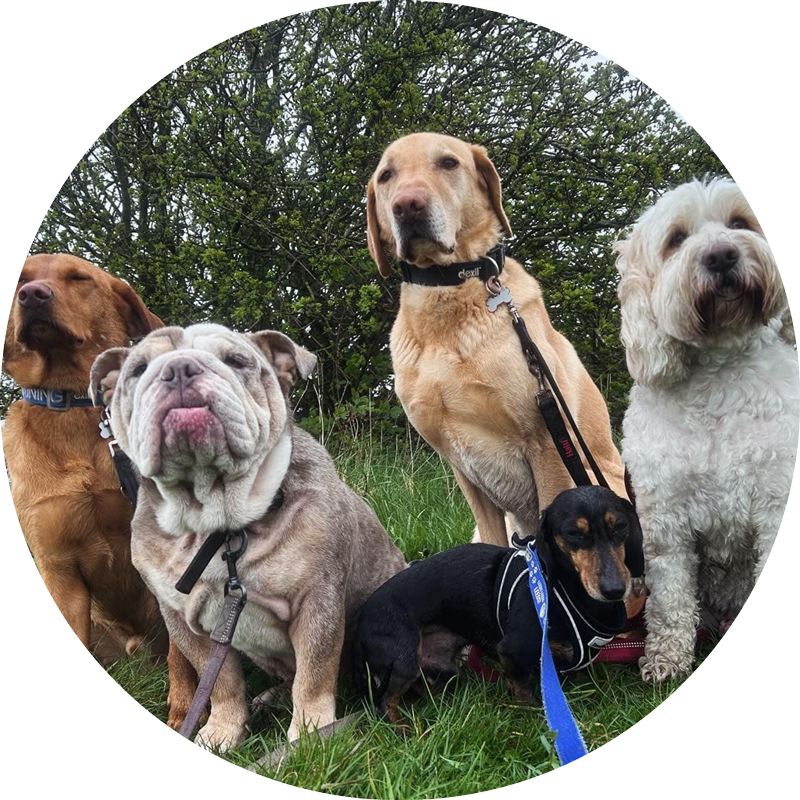
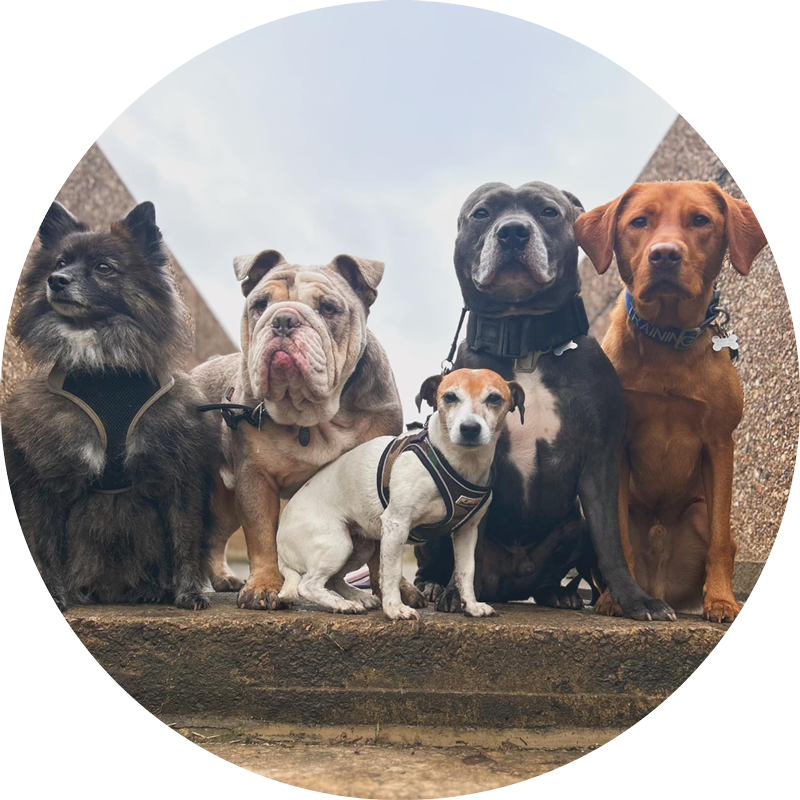
One of the most common enquiries I experience is from owners struggling with multiple dogs within the household, or owners looking at bringing a second or third dog in to the mix, but wanting to know what they can put in place to ensure the process runs smoothly and successfully.
Sharing your home with multiple dogs can be a rewarding experience (if you get it right) but can come with an array of challenges and is not a decision to be taken lightly.
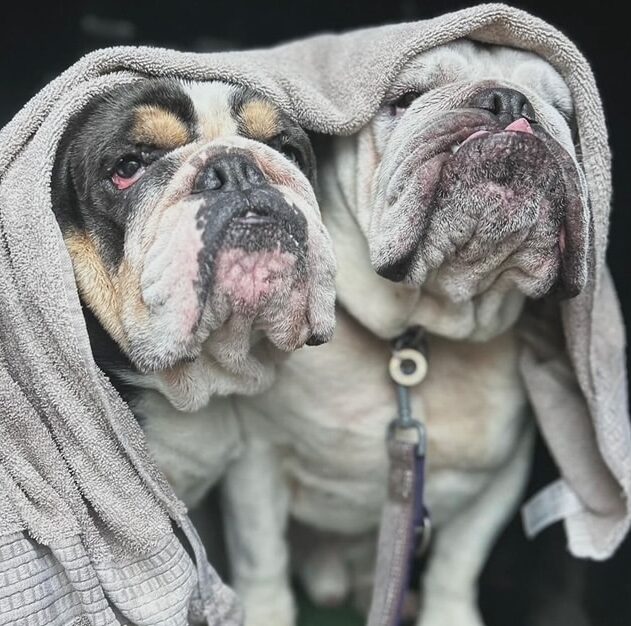
As the owner of 2 very rumbustious rescue bulldogs I can speak from experience when it comes to establishing a well-balanced home for all involved.
Maintaining harmony requires understanding of the unique behavioural dynamics that come in to play, creating a routine to ensure co-existence is successful, and being prepared to adapt an environment to achieve this.
I am a firm believer that dogs should not rely on each other/ pine to be with each other but learn to live side by side.
In a multi-dog household, a natural hierarchy MAY form, with one dog establishing itself as the leader so to speak.
Don’t mistake this for ‘bullying/ alpha/ dominant’ behaviour as it doesn’t always mean thatone dog is doing this or that the other dog feels resentful. Many dogs are happy to follow a leader and actually have an ability to often find their own position within a hierarchy where they are comfortable. Understanding this dynamic can help reduce conflicts.
Each situation will differ but there are some general preventative rules that I would recommend to assist in the process:
Manage Resources- e.g. food, toys and attention– these can often be triggers for conflict
Feed dogs separately and don’t leave food down
Don’t allow free toy play/ free play without your attention
DO NOT leave toys/ chews around when dogs are unattended.
Teach your dogs a switch off command so you can stop play when you feel it may be escalating
Ensure you share attention evenly
Ensure each dog has its own safe/ quiet area
Never leave dogs together with collars on


Learn Body Language to recognise and prevent aggression– dogs nearly always show subtle signs/ warnings before a conflict takes place
Intervene early if you notice subtle signs such as stiff posture, low growls and diffuse the situation
Learn the best ways to diffuse situations even if it is a redirection to a different activity or encouraging time out
Socialise and Train all dogs within the household (ideally ensure the original dog is well balanced and behaved before bringing additional dogs in to the mix, or you will potentially end up with the same issues for all dogs)
Encourage socialisation and positive new experiences in controlled environments (and with familiar dogs) to reduce reactivity/ aggression
Ensure consistency and repetition with on going training for all dogs. Teach all dogs basic commands to create a well mannered ‘team’. Commands such as ‘sit’, ‘stay’ and ‘leave’ are invaluable when managing numerous dogs
If certain dogs have more pressing behaviour issues, spend the time training them separately to guarantee positive changes and to increase your bond with them.
(For more complicated issues between dogs be sure to seek advice from a professional behaviourist)
Remember all dogs are unique with their own personalities and do not assume that they need less attention from you as they have each other. They still need their own attention.
Finally………..Enjoy ALL your dogs. Embrace the adventure and rewards that multiple dogs can bring. By observing behaviour, managing resources and providing sufficient attention, you’ll all enjoy a harmonious home where everyone thrives.