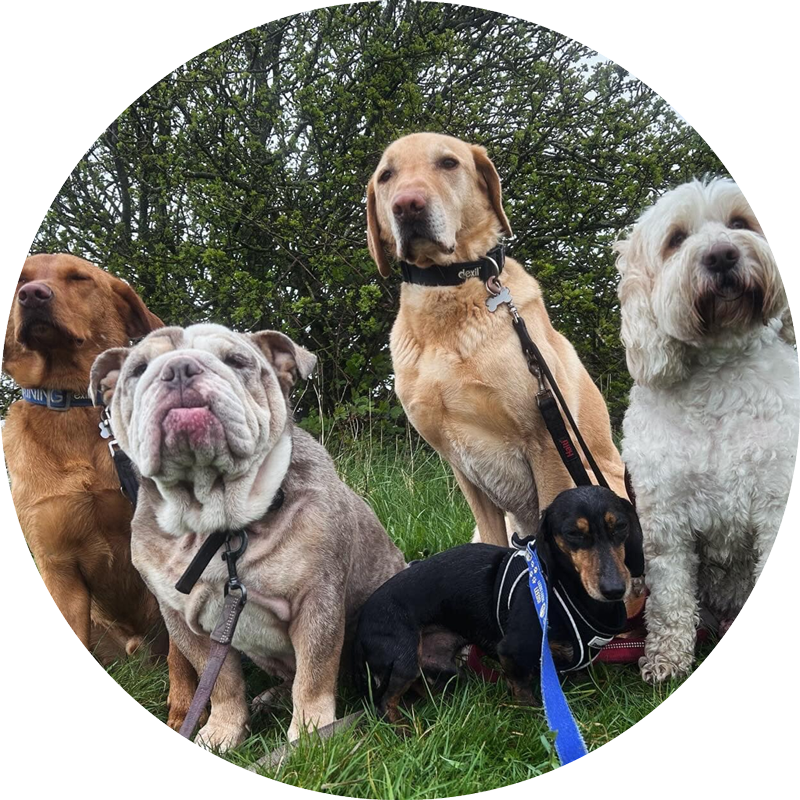
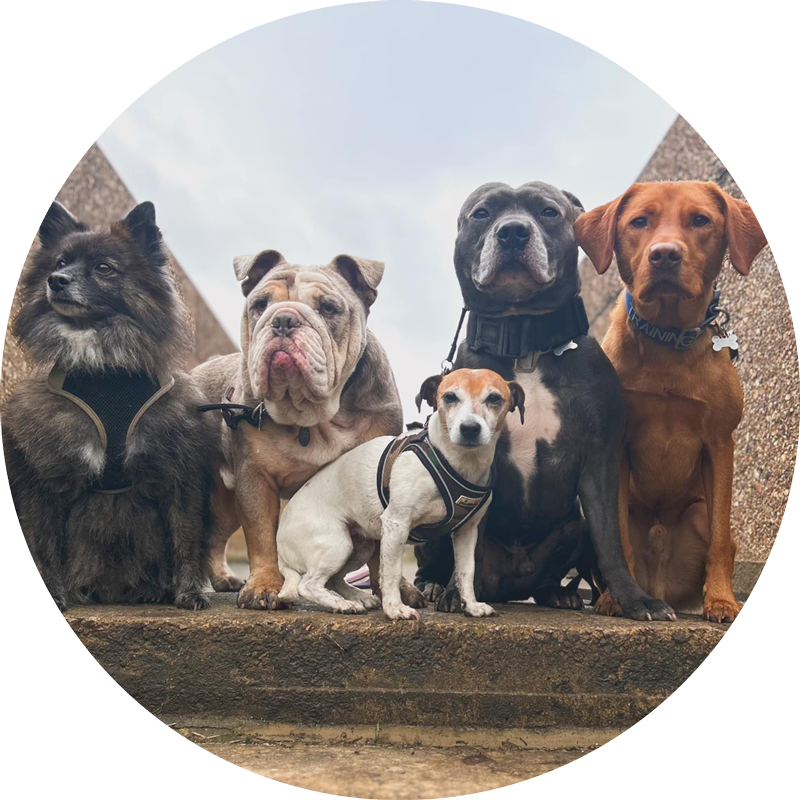
The lads and I have recently returned from a fantastic dog friendly mini break which really was perfect, but it’s not always been the case over the last 8 years and really got me thinking how a ‘dog friendly break’ can vary so much depending on your unique dog.
“Dog-friendly holiday” sounds idyllic, and is often painted that way via social media- long countryside walks, pub lunches with your dog snoozing under the table, sandy beaches and exploring seaside towns.
But if you have a dog with behavioural challenges—reactivity, anxiety, fear of strangers, difficulty around other dogs—the reality can look very different. Still meaningful, still worthwhile… but far from the picture-perfect version.
This is what dog-friendly holidays can actually look like when your dog needs a bit more understanding.
The Planning Starts Differently
For most dog owners, booking a holiday might involve filtering for “pets allowed.” For you, it’s more like a strategy session.
You’re not just asking:
- “Is this place dog-friendly?”
You’re asking:
- Is it quiet?
- Are there enclosed spaces?
- How close are neighbours?
- Are there busy walking routes nearby?
- Will there be off-lead dogs everywhere?
You might contact hosts with very specific questions or avoid popular destinations altogether. A remote cottage beats a bustling seaside town every time—not because it’s trendier, but because it’s manageable.
“Dog-Friendly” Doesn’t Always Mean Your Dog-Friendly
Many places advertise themselves as dog-friendly, but that often assumes a sociable, easy-going dog.
A café that welcomes dogs may still be overwhelming if:
- Tables are close together
- Other dogs wander over
- Staff approach suddenly
A busy beach might allow dogs—but that doesn’t help if your dog is triggered by fast movement, noise, or unfamiliar dogs running up.
So you learn to translate “dog-friendly” into:
- “Is this predictable?”
- “Is there space to create distance?”
- “Can I leave quickly if needed?”
Walks Become Carefully Timed Missions
Morning walks at sunrise. Late-night strolls under streetlights. Midday outings in quieter, less popular areas.
You become an expert in:
- Avoiding peak times
- Scanning the horizon constantly
- Changing direction at a moment’s notice
It’s very rarely the carefree wandering people imagine.
Your Attention Is Always Split
Even on holiday, you’re never fully “off duty.”
You’re watching:
- Body language
- Triggers in the environment
- Escape routes
Relaxation comes in smaller pockets. A cup of tea enjoyed while your dog settles. A quiet moment in a secure garden. A successful walk without incident.
Those wins feel bigger than any postcard-perfect experience.
Social Plans Look Different
Pub lunches? Maybe—but only at quieter times, or at places with outdoor space.
Dog-packed attractions? Probably not.
Instead, your holiday might revolve around:
- Takeaways instead of dining out
- Picnics in quiet spots
- Evenings in rather than busy nightlife
And that’s okay. It becomes less about ticking off activities and more about creating a space where both you and your dog can breathe.
Setbacks Can Happen—And That’s Part of It
Even with careful planning, things can go wrong:
- An off-lead dog appears unexpectedly
- A noisy group rounds a corner
- Your dog reacts in a new environment
It can feel frustrating, especially when you’ve put so much effort into getting things right. But progress isn’t erased by one difficult moment.
In fact, navigating these challenges in a new setting can build resilience—for both of you.
The Wins Are Quiet but Powerful
When you holiday with a dog who has behavioural needs, success looks different.
It might be:
- A calm walk past a distant dog
- Settling in a new place faster than expected
- Choosing to disengage instead of reacting
These moments don’t always make it onto Instagram—but they matter deeply.
You Learn to Redefine “Relaxing”
Relaxation isn’t about doing nothing—it’s about feeling safe enough to exhale.
And sometimes, that looks like:
- Sitting in a peaceful garden while your dog explores
- Watching them rest in a new environment
- Knowing you chose a place where they can just be
There’s a different kind of joy in that—quieter, but incredibly grounding.
It’s Still Worth It
Holidaying with a dog who has behavioural issues takes effort. It requires planning, patience, and flexibility.
But it also brings:
- A deeper understanding of your dog
- A stronger bond
- A new appreciation for small, meaningful moments
Your holiday may not look like everyone else’s—and it doesn’t need to.
Because when your dog feels safe, when you see them relax in a new place, when you both find your rhythm away from home… that’s what a successful dog-friendly holiday really looks like.
Final Thought
Dog-friendly holidays aren’t one-size-fits-all. For some, they’re busy and social. For others, they’re quiet and carefully managed.
Neither is better—just different.
And if your version includes early mornings, empty paths, and small victories along the way, you’re doing it right.