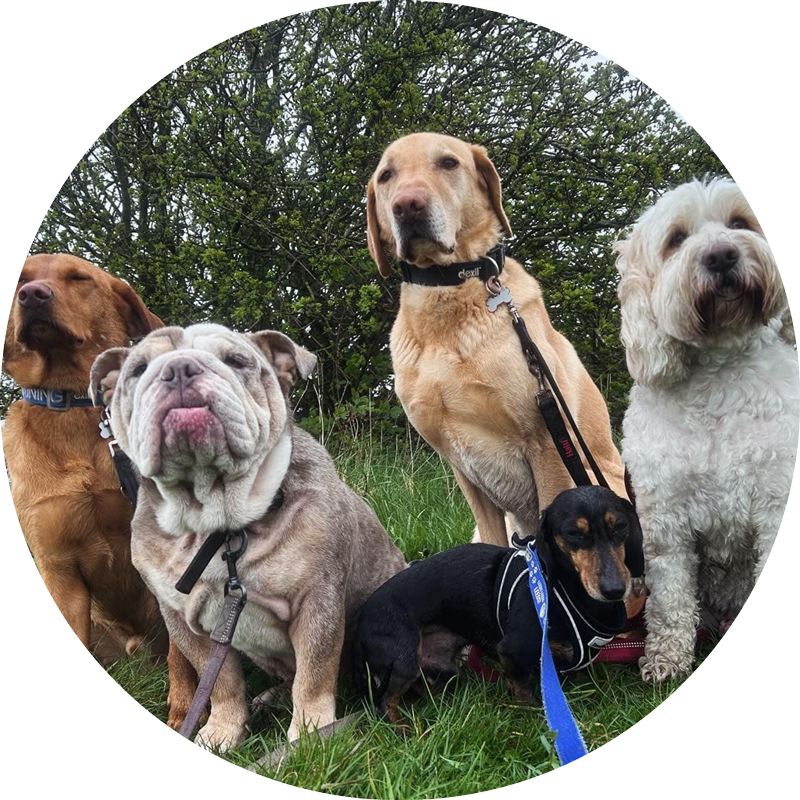
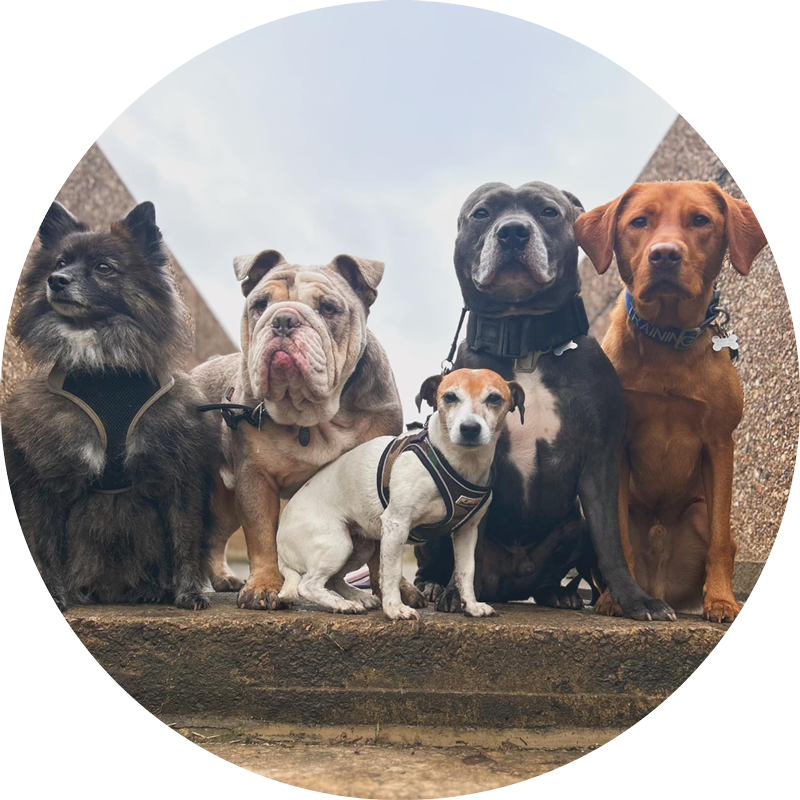
If you follow DogSwot, you may have noticed how popular our neutrality walks are but may wonder how they can actually benefit your dog and help with reactivity.
Reactivity is one of the most common challenges dog owners face- your dog may bark, lunge, freeze or get overly excited when it sees people or dogs.
One very powerful tool that can help is a neutrality walk.
This blog explains what neutrality walks are, why they work, and how you can safely start incorporating them into your routine.
What Is a Neutrality Walk?
A neutrality walk is a structured walk where two or more dogs walk in the same general area — but without interacting.
There’s:
- No greeting
- No sniffing
- No playing
- No face-to-face meetings
The goal isn’t socialisation in the traditional sense. The goal is calm coexistence.
Your dog learns:
“Other dogs exist… and I don’t need to react.”
Why Neutrality Matters More Than Socialisation
Many people think dogs need to greet every dog they see. In reality, constant on-lead greetings often create frustration, excitement, or anxiety.
Neutrality walks teach:
- Emotional regulation
- Focus on the handler
- Reduced arousal levels
- Confidence around triggers
- Better lead manners
For reactive dogs, this can be transformative.
Who Benefits from Neutrality Walks?
Neutrality walks are especially helpful for:
- Reactive dogs (barking, lunging, whining)
- Overly excited greeters
- Nervous or fearful dogs
- Adolescent dogs learning impulse control
- Dogs recovering from negative social experiences
Even well-adjusted dogs benefit from practicing calm behaviour around distractions.
How Neutrality Walks Can Rewire Behaviour
Dogs that react often do so because of:
- Fear
- Frustration
- Overexcitement
- Past experiences
Neutrality walks help reframe the trigger (other dogs) from being a THREAT to just being ‘background noise’
Over time, your dog’s nervous system begins to regulate more easily.
Consistency is key.
Can Neutrality Walks Replace Socialisation?
No — but they build the foundation for healthy social skills.
Once your dog can calmly coexist, you can decide whether:
- Off-leash play is appropriate
- Brief greetings are manageable
- Continued neutrality is best
Some dogs don’t need dog friends — they just need peace.
Final Thoughts
Neutrality walks aren’t flashy. There’s no dramatic “fix” moment. But over weeks and months, they can quietly transform your dog’s behaviour and confidence.
In a world that pressures dogs to be social butterflies, neutrality is a gift.
Sometimes the most powerful lesson your dog can learn is this:
“I see it… and I’m okay.”