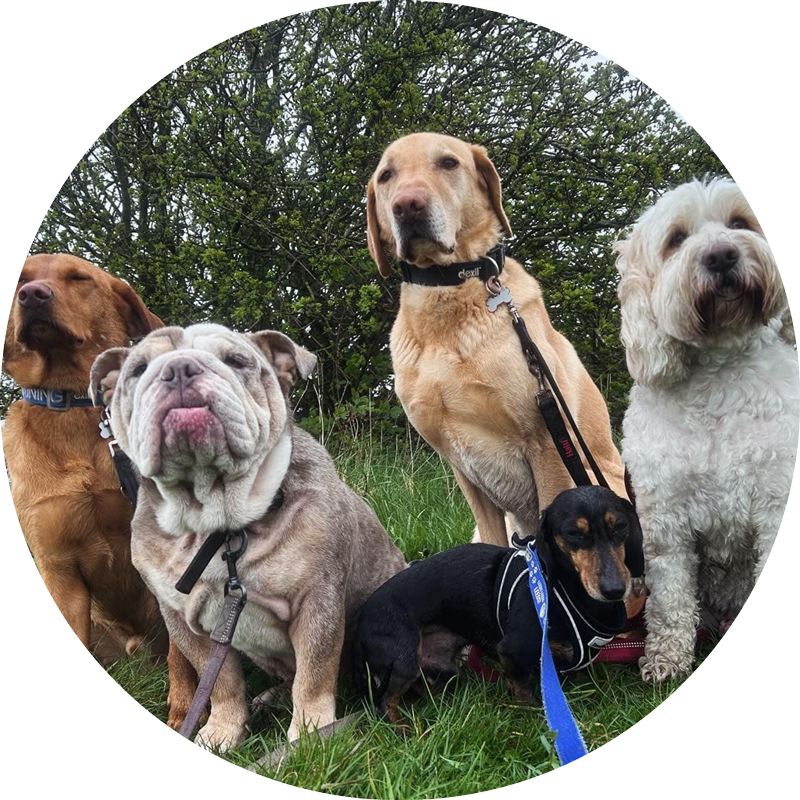
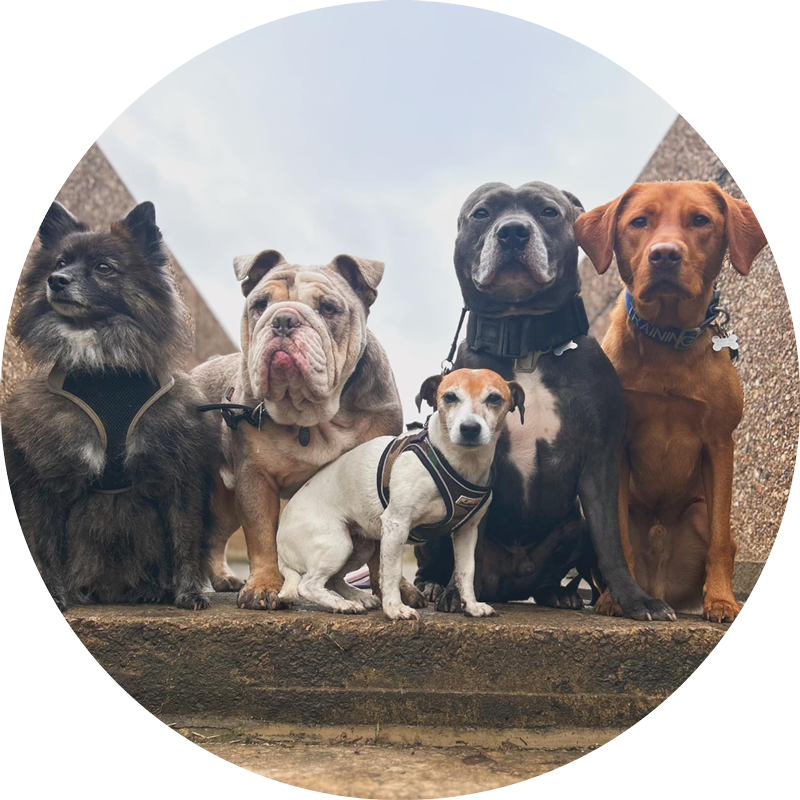
As the owner of two senior bulldogs, I admit that experiencing the ageing process of them both can consume me at times.
I’m in a constant battle of never wanting to miss a second with them but then kicking myself for spending valuable time worrying when we still have so many moments to cherish.
I know I’m not alone in this but ageing is a natural part of life, and for our dogs, it can be a time of deeper companionship, calmness, and stronger bonds with them. While physical changes may occur, ageing does not have to mean a decline in happiness or quality of life. With the right care, attention, and mindset, we can help our dogs experience their senior years in a positive and fulfilling way.
Understanding the Ageing Process
Just like humans, dogs go through gradual changes as they grow older. Depending on the breed and size, dogs may begin to show signs of ageing from around six to ten years of age. Larger breeds often age faster than smaller ones.
Just like people, ageing dogs experience physical and behavioural changes. Some of the most common signs include:
1. Reduced Energy Levels
Older dogs often become less active. They may sleep more, play less, and tire more quickly during walks.
2. Joint Stiffness and Mobility Issues
Conditions like arthritis become more common with age, making movement slower and sometimes painful.
3. Changes in Vision and Hearing
You may notice your dog not responding as quickly to commands or bumping into objects. Age-related hearing and vision loss are common in senior dogs.
4. Weight Changes
Some older dogs gain weight due to reduced activity, while others lose weight because of changes in metabolism or appetite.
5. Dental Problems
Tooth decay, gum disease, and bad breath often increase with age if dental care is neglected.
6. Cognitive Changes
Some senior dogs develop a condition similar to dementia in humans, often called canine cognitive dysfunction. Symptoms may include confusion, disrupted sleep patterns, or forgetting trained behaviours.
Caring for an Ageing Dog
Providing the right care can greatly improve the comfort and happiness of a senior dog.
1. Adjust Their Diet
Senior dogs often need diets lower in calories but rich in nutrients that support joint and organ health.
A balanced senior diet can help support joint health, maintain muscle mass, and promote healthy digestion. Foods enriched with vitamins, antioxidants, and omega fatty acids may also support brain health and immune function.
2. Maintain Gentle Exercise
Regular but moderate exercise helps maintain muscle strength, joint mobility, and mental stimulation.
Instead of long or intense activities, consider shorter walks, gentle play sessions, or low-impact exercises. The key is consistency rather than intensity. Exercise also strengthens the bond between you and your dog while supporting their overall health.
3. Provide Comfortable Resting Areas
Orthopaedic beds or soft bedding can reduce joint pressure and improve sleep quality.
Placing rugs on slippery floors can improve stability, and ramps may help dogs reach furniture or get into cars more easily.
Small adjustments around the home can greatly improve your dog’s comfort and independence.
4. Schedule Regular Vet Visits
Older dogs should ideally see the vet twice a year for routine health screenings.
5. Mental Stimulation
Simple activities such as puzzle toys, gentle training exercises, scent games, or interactive play can keep your dog engaged. Maintaining a consistent routine also provides reassurance and stability, which is especially helpful for ageing dogs.
Keeping your dog’s mind active can help slow cognitive decline and improve their mood.
Strengthen Your Emotional Bond
One of the most beautiful aspects of caring for a senior dog is the deep connection that develops over time. Older dogs often become more affectionate and enjoy quiet moments with their owners.
Spending quality time together—whether through calm walks, grooming sessions, or simply sitting together—can provide comfort and emotional support for both you and your dog.
Practice Patience and Understanding
Ageing may bring changes in behaviour, including slower responses, increased sleep, or occasional confusion. Approaching these changes with patience and compassion is essential.
Rather than focusing on what your dog can no longer do, celebrate the moments you share and the companionship that continues to grow.
Show Patience and Compassion
Ageing dogs may take longer to move, learn new things, or respond to commands. They may also experience accidents in the house or develop new fears.
Patience and understanding are essential. Avoid punishment and instead focus on reassurance, comfort, and positive reinforcement.
Embrace the Golden Years
Helping your dog age positively is about adapting to their needs while continuing to provide love, care, and support. Senior dogs may slow down physically, but they still experience joy, curiosity, and affection.
Senior dogs often become more attached to their owners and may feel anxious with sudden changes in routine. Maintaining familiar schedules, environments, and affection helps them feel secure and comfortable. After all, the golden years are not just about ageing—they are about appreciating the lifelong bond between you and your loyal companion.