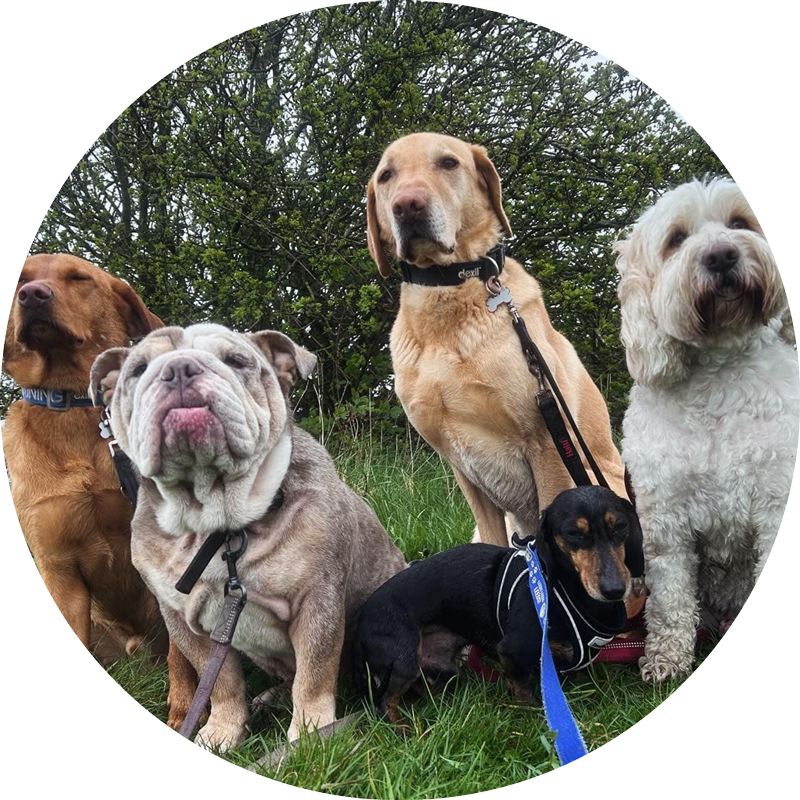
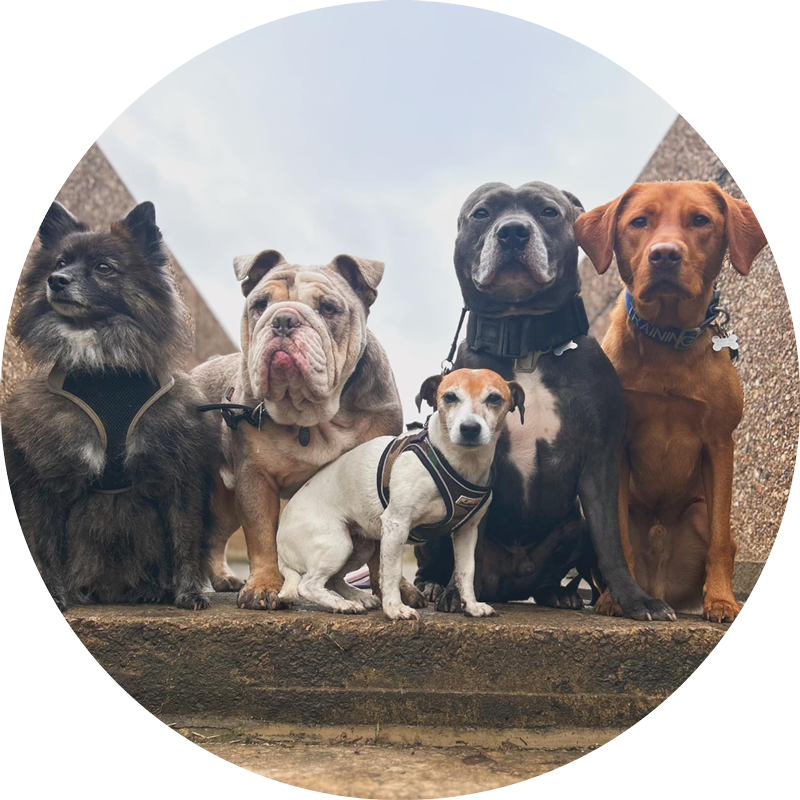
On last week’s group session one of my clients described his dog as ‘Consistently Inconsistent’ and I don’t think I have ever heard anything more common and relatable in all my years of working with dogs.
Dog owners everywhere know the rollercoaster of canine quirks — one day, your dog is the embodiment of chill, engaged to the max and making all the right choices….. the next day their decision making is erratic, unpredictable and got you walking home embarrassed, baffled and deflated.
Welcome to the wild world of consistently inconsistent dog behaviour.
What Does That Even Mean?
Dogs, much like humans, don’t always behave predictably. The same dog that calmly walks past a skateboarder on Monday might lunge and bark like it’s the apocalypse on Tuesday. This inconsistency can be baffling and frustrating.
But don’t worry — there’s more logic behind your dog’s “random” behaviour than meets the eye.
1. Dogs Are Emotionally Complex
Just like us, dogs have moods. Their reactions can depend on a host of factors:
- Sleep quality (yes, cranky dogs exist)
- Recent experiences (did someone new visit the house?)
- Your mood (dogs are emotional mirrors)
- Environmental changes (weather, smells, sounds)
So that growl at the friendly neighbour might just be your dog having an off day. It’s not personal — it’s emotional.
2. Memory is Selective
Dogs learn by association, but sometimes the associations are… puzzling. For example:
- Barking at a man with a hat because a vet once wore one.
- Refusing to walk past a trash can because a balloon popped there last week.
Their memory isn’t always linear or logical. It’s emotional, sensory, and tied to patterns we may not even notice.
3. Consistency Is a Human Concept
We thrive on routine. Dogs? Not so much. While they do like structure, they don’t have an inner calendar saying, “Today is Thursday, time to react calmly to the postman.”
What feels like inconsistency to us may just be your dog living in the moment. Each encounter is new, and their reaction depends on how they interpret it — right now.
4. Breed & Personality Matter
Some breeds are genetically more reactive or sensitive. Terriers may overreact to movement, while retrievers might ignore the chaos. But even within breeds, personality plays a huge role.
You might have:
- A confident lab that’s afraid of ceiling fans.
- A timid beagle that challenges Great Danes.
It’s part nature, part nurture, and part inexplicable.
5. Your Dog Is a Product of Their Experiences
Rescue dogs, especially, may carry baggage from their past. A seemingly random fear might stem from a memory you’ll never fully know.
This can create inconsistent reactions that seem irrational — until you remember their history.
So, What Can You Do?
✔️ Be Patient
Your dog isn’t being “bad” — they’re just trying to navigate a confusing world. You’re their anchor.
✔️ Look for Patterns
Keep a behaviour diary. You might start noticing triggers: time of day, certain sounds, or environments.
✔️ Reward the Calm
Resist attempting to correct what you see as “bad” behaviour. Instead, praise your dog when they handle situations well. Reinforce what you want more of.
✔️ Seek Help if Needed
If the inconsistency becomes extreme or aggressive, don’t hesitate to contact a trainer or behaviourist. Some things require expert insight and often need an external pair of eyes.