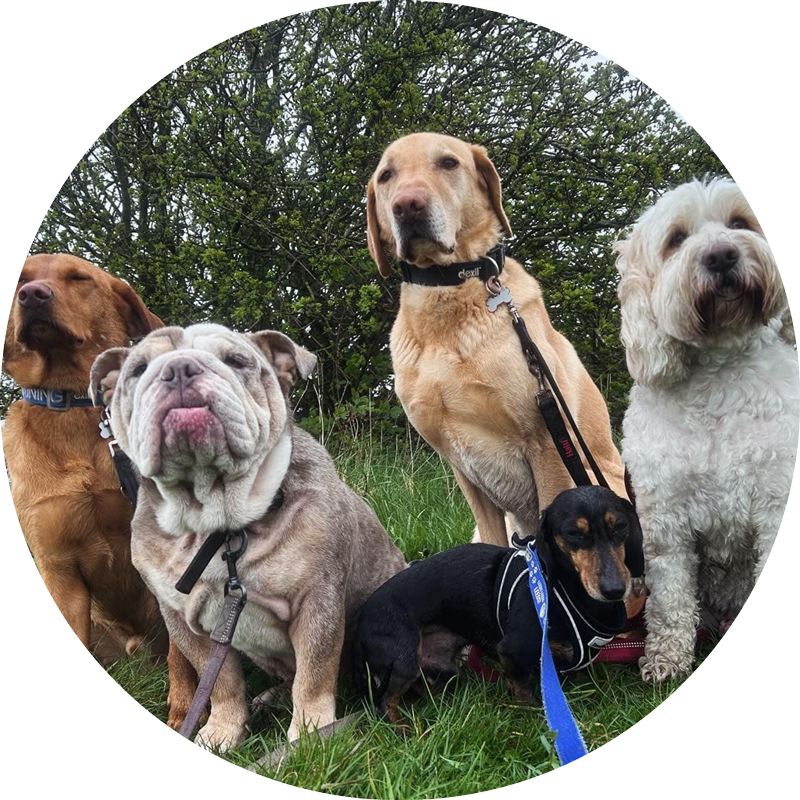
In previous news I have discussed the need to research your breed, know what it was bred for and work on breed specific training and enrichment but, with some breeds, this still isn’t enough.
There are a handful of increasingly popular breeds (often due to them appearing in films/ social media platforms etc) that are just too high energy/ high intensity and even too high maintenance for first time dog owners.
The re homing numbers for such breeds is on the rise due to the backlash of them being bored, frustrated and under stimulated in domestic environments but also escalation of health ailments that inexperienced owners cannot control or cope with.
Some breeds come with traits and genetics that will always require a deeper understanding of canine behaviour, training techniques, as well as a stronger commitment to responsible ownership such as management of inherit health issues that do come with some breeds. Here are a few reasons why certain breeds thrive under experienced ownership:
1. High Energy and Exercise Needs
• Breeds like Border Collies, Belgian Malinois, and Siberian Huskies are known for their high energy and working dog heritage.
• Without sufficient exercise and mental stimulation, these dogs can develop destructive and erratic behaviours, which can be overwhelming and uncontrollable for first-time owners.
2. Strong-Willed or Independent Breeds
• Breeds like Akitas, Shiba Inus, and some terriers have independent or stubborn temperaments.
• They require a confident and consistent owner who can set boundaries and provide firm yet positive leadership.
3. Protective or Guarding Instincts
• Breeds such as Rottweilers, German Shepherds, and Cane Corsos are naturally protective.
• They need experienced handlers to ensure they are properly socialized and trained to prevent unwanted, poorly channelled aggression.
4. Specialized Training Requirements
• Working dogs (e.g., Doberman Pinschers, Malinois) or hunting breeds (e.g., Weimaraners, Vizslas) often excel with owners who understand the importance of task-specific training.
• Their drive and intelligence can be a challenge for those unfamiliar with training techniques, often resulting in them bolting/ going missing due to an inability to break that genetic impulse they have.
5. Size and Strength
• Giant breeds like Great Danes, Saint Bernards, or Mastiffs may be docile, but their size and strength require someone who can manage them physically and provide appropriate training, and also sufficient space for them to live and thrive in.
6. Health and Grooming Needs
• Breeds like Bulldogs, Pugs and French Bulldogs often come with health concerns requiring attentive care, especially in relation to skin problems, yeast infections from their folds etc which require a time consuming and consistent maintenance regime.
• Double-coated breeds like Samoyeds or Alaskan Malamutes need regular grooming and maintenance.
• Risk of Unintended Behaviour Issues: Inexperienced owners might not recognize early signs of problem behaviours, leading to escalation.
Why Novice Owners Should Avoid Some Breeds
• Inadequate Socialization: Some breeds require deliberate and early exposure to various environments to avoid fear or aggression issues.
• Commitment Challenges: High-maintenance breeds often demand more time and effort(and sometimes vet intervention) than first-time owners anticipate.
Encouraging Responsible Ownership
Experienced owners are often better equipped to meet a breed’s needs, ensuring the dog’s well-being and minimizing risks to others. That said, no one should feel deterred from owning a breed they love, but they should prepare extensively and seek resources, such as training classes, breed-specific rescues, and mentorship from experienced dog owners, trainers and even breeders.
Breeders also have a role to play to ensure their puppies are going to homes who are prepared and knowledgeable in the breed they have selected.
Some examples of lower maintenance breeds include:
Labrador Retriever
Golden Retriever
Cavalier King Charles Spaniel
Yorkshire Terrier
Poodle
Pug